Astrology predictions for technological advancements offer a unique perspective on the future of innovation. Though unconventional, astrology provides insights into how celestial movements might influence technological progress. This article delves into the planetary influences on technological advancements, examining how Saturn, Uranus, Neptune, Pluto, and Jupiter each contribute to different areas of tech development.
Saturn and Technological Foundations
Saturn is known for its association with work, career, order, and goal determination. This planet’s influence often steers research and development towards refining existing technologies and improving foundational systems. When Saturn is prominent, expect significant advancements in areas requiring strict frameworks and reliability.

Fox | Pexels | Saturn is known for its association with work, career, order, and goal determination.
For instance, blockchain technology embodies Saturn’s influence by emphasizing highly secure databases. Software development methodologies, business solutions, and infrastructure improvements also reflect Saturn’s orderly nature. These advancements ensure that the technological base remains robust and dependable, paving the way for future innovations.
Uranus and Revolutionary Innovations
Uranus governs invention, upheaval, and revolution, signaling periods of groundbreaking technological introductions. When Uranus is active, expect innovations that radically change current practices. Artificial Intelligence (AI) developments often align with Uranus’ energy, bringing forth new ways of thinking and problem-solving.
Consider the advancements in rocket technology, such as reusable rockets and new propulsion systems. These high-order innovations dramatically alter space travel and exploration, showcasing Uranus’ influence on revolutionary changes in technology.
Neptune and Immersive Technologies
Neptune rules over dreams, illusions, and visions that transcend the visible world. This planet’s influence is evident in the rise of Augmented Reality (AR) and Virtual Reality (VR) technologies. These immersive experiences blur the lines between reality and the virtual world, creating new realms for interaction and engagement.
Technologies like complex VR training programs and AR applications for real-life enhancement highlight Neptune’s surrealism. These advancements allow people to experience digital environments in ways previously unimaginable, reflecting the planet’s dreamy and visionary qualities.
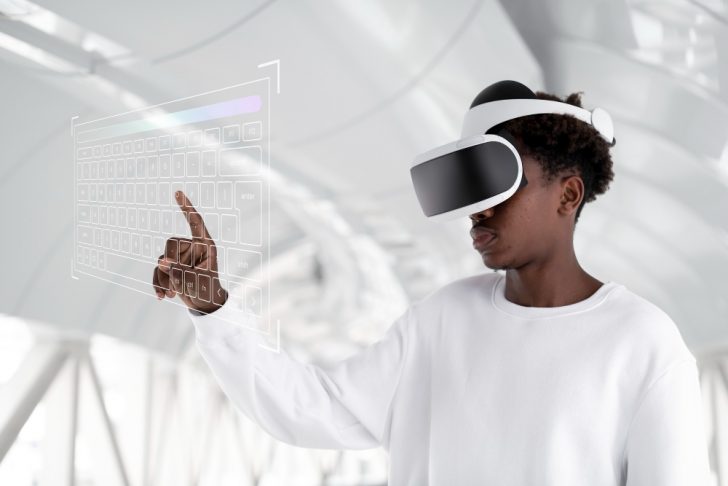
rawpixel.com | Freepik | This planet’s influence is evident in the rise of Augmented Reality (AR) and Virtual Reality (VR) technologies.
Pluto and Transformative Technologies
Pluto symbolizes transformation, power, and deep change. Technological shifts under Pluto’s influence are profound and often redefine societal structures. Innovations in gene editing, such as CRISPR and regenerative medicine, are prime examples of Pluto’s transformative energy.
These technologies promise to revolutionize health and human capabilities, fundamentally altering how societies function. The deep and lasting impact of Pluto-driven advancements showcases the planet’s role in ushering in transformative technological eras.
Jupiter’s Expansion and Growth
Jupiter is associated with growth and expansion, often driving investment and development in various sectors. When aligned with certain areas, Jupiter’s influence can spur significant technological advancements. Renewable energy technologies, like solar and wind power, often flourish under Jupiter’s expansive energy.
The extension of 5G technology is another example of enhancing internet speed and reliability through the Internet of Things (IoT). Jupiter’s growth-oriented nature ensures continuous development and expansion in these critical areas of technology.
Mercury Retrograde and Perfecting Technology
Mercury retrograde is often blamed for communication issues and technological mishaps. However, this period also offers opportunities to reassess and improve existing technologies. During Mercury retrograde, businesses may focus on correcting software issues, enhancing functionality, and strengthening security measures.
This time can lead to the development of more user-oriented and reliable technological platforms. Mercury retrograde, despite its challenges, fosters a period of reflection and refinement, crucial for long-term technological advancement.
Long-Term Astrological Considerations and Technological Development
Saturn-Uranus conjunctions support the integration of orderliness with new ideas, promoting the adoption of innovative technologies alongside existing systems. This alignment can lead to developments like smart cities incorporating IoT and advanced city planning.
Pluto’s lengthy transits define generational technology trends. Pluto in Capricorn, for example, influences power structures and technological transformations in government and corporate sectors, including digital governance and Enterprise Resource Planning (ERP) systems.