Sagittarius energy embodies a bold kind of curiosity—one that seeks insight, purpose, and the deeper meaning behind life’s constant motion. Under Jupiter’s generous influence, this zodiac sign leans toward wide horizons and experiential learning rather than structured rituals. Its spiritual tone blends independence, exploration, and a genuine desire to understand the world on a higher level. The Heart of Sagittarius Spirituality Sagittarius often gravitates toward a belief that every event holds purpose. Challenges and victories are seen as teachers, each carrying direction for growth. This sign’s spiritual rhythm feels active rather than still. It shows up in road trips to sacred sites, cross-cultural exchanges, philosophical conversations, and moments where new perspectives shift old patterns. The Sagittarian...
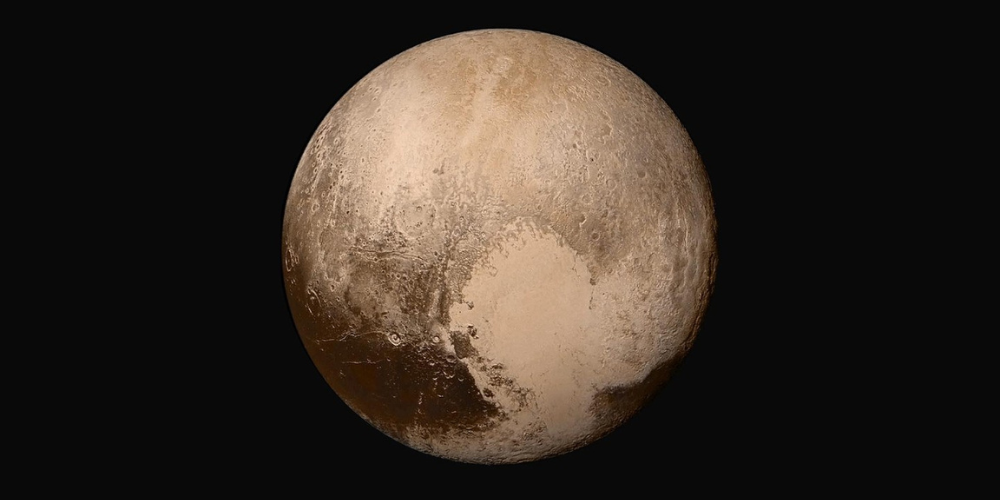
In astrology, Pluto signifies much more than darkness or destruction—it represents power, renewal, and deep transformation. Often called the planet of death and rebirth, it governs the endings that clear space for new beginnings. Its influence moves beneath the surface, working quietly yet intensely to push us toward emotional honesty and lasting change. Astrologer MaKayla McRae delves into this planet’s complex influence, describing how Pluto challenges us to meet our fears, break free from old emotional patterns, and find resilience through renewal. What Pluto Represents in Astrology Pluto’s symbolism runs deep. Often referred to as the planet of death and rebirth, it holds the key to renewal, truth, and transformation. This energy encourages a dive beneath...
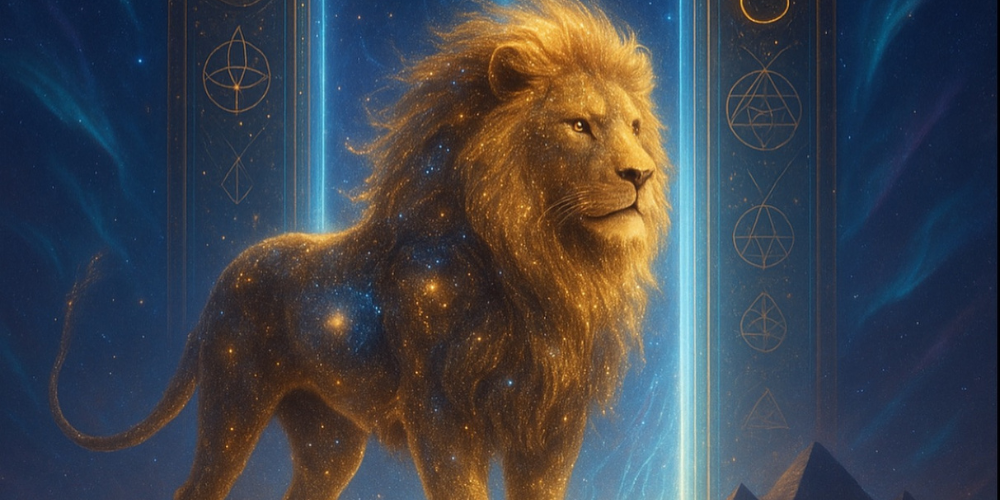
Every year, August 8 marks a significant moment in astrology: the Lion’s Gate Portal. In 2025, this energetic alignment peaks with the Sun in Leo and the bright star Sirius in its strongest position. Many see it as a time when intentions set with clarity have the potential to materialize quickly. This alignment has long been linked to personal breakthroughs, renewed focus, and a deeper connection to life’s bigger picture. Astrologers often highlight its numerological tie to 8/8 — a date associated with prosperity and balance. Whether it’s seen as a mystical opening or simply a symbolic opportunity for reflection, the Lion’s Gate Portal invites each zodiac sign to reassess priorities and act with purpose. 1....
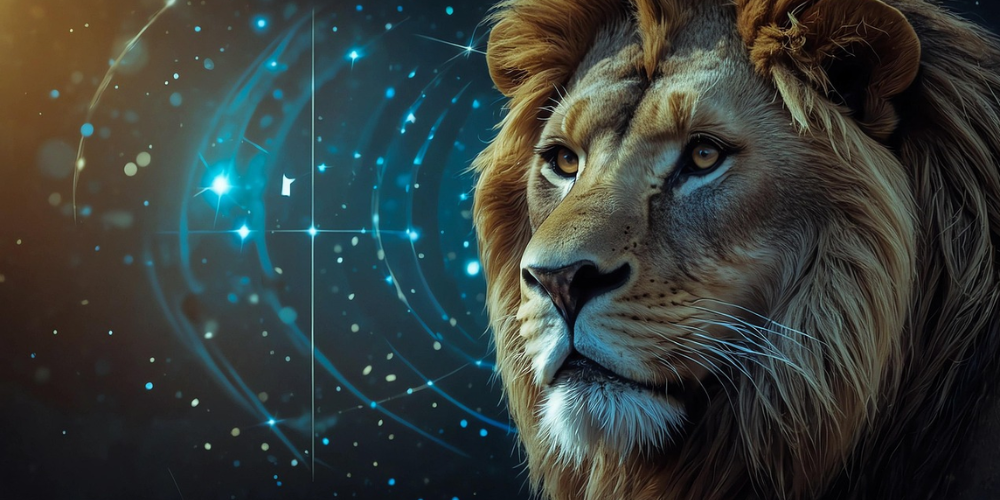
July for Leo feels like a moment to pause and prepare. The Sun stays in Cancer until the 22nd, encouraging a slower pace and a deeper look inward. This is a time to recharge, tie up unfinished business, and ready yourself for the energy that your birthday season will bring. As the calendar inches closer to your solar return, the spotlight shifts, bringing new opportunities for growth, fresh social dynamics, and a chance to rethink long-term goals. Slow Down and Recharge Before Your Season Shines Cancer season asks Leo to take it easy. Your natural drive might slow down as the Sun rests in your twelfth house of rest and renewal. Stress around deadlines or social...
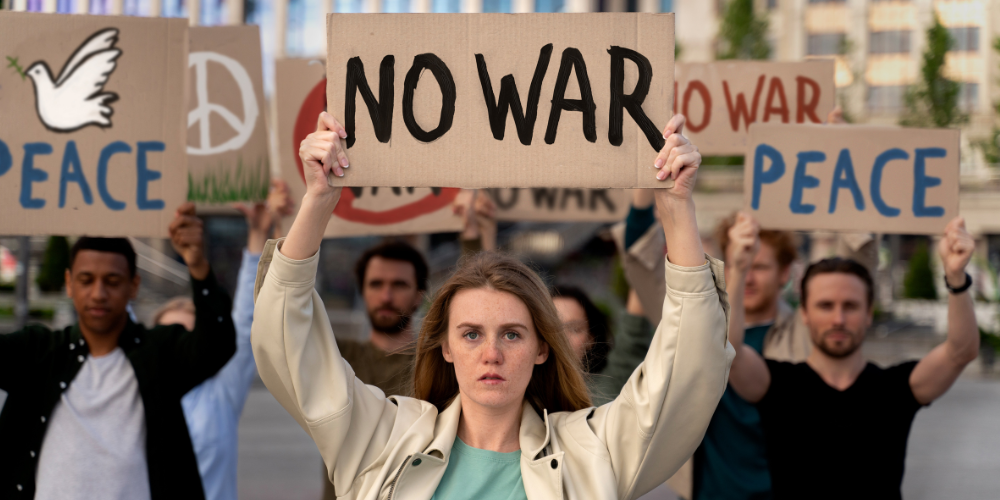
Astrology has a curious way of echoing the collective mood, and with Uranus shifting into Gemini by July 2025, that echo’s turning into a full-throated call. This isn’t just another transit on the calendar. It opens a chapter that often coincides with major disruptions—intellectually, technologically, and geopolitically. Lately, talk of war has been making the rounds online. The mood shift is real. And it goes deeper than clickbait or conspiracy threads—it’s tangled in old patterns playing out again, just louder and faster this time. What’s Happening? On July 7, 2025, Uranus begins its journey into Gemini, a transit that will stretch until May 2033. However, there's a brief return to Taurus from November 7, 2025, until...
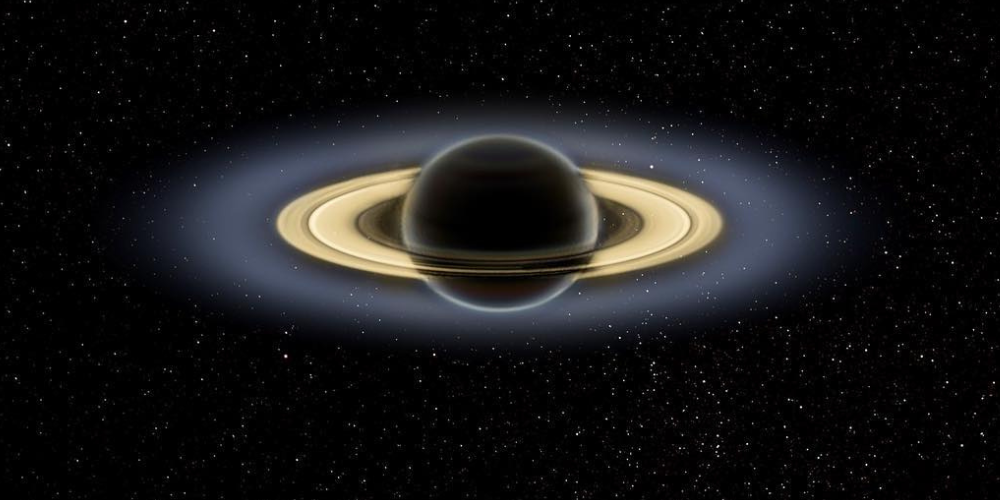
There’s a specific kind of internal shift that hits in your late 20s—a sense that things are supposed to be clearer by now, more stable, more certain. Instead, you're questioning everything: your job, relationships, identity, even your life choices. This isn't random. It’s Saturn return—an astrological phase that acts like a cosmic checkpoint, forcing you to assess who you are and where you’re going. This significant event, rooted in your birth chart, marks Saturn’s return to the exact zodiac spot it occupied when you were born. It happens roughly every 29.5 years, with each visit lasting between 2.5 and 3 years. And while it’s not the smoothest ride, it’s designed to shake things up—constructively. What Saturn...
Why Zodiac Signs Are Probably Wrong
Zodiac signs have long been a popular topic of conversation and interest among many people. The idea that our birth date can determine our personality traits and future has captivated the imagination of millions.
However, despite the widespread popularity of astrology, there is little scientific evidence to support the idea that zodiac signs are an accurate predictor of personality or future outcomes. There are several reasons why zodiac signs are probably wrong.
Lack of Scientific Evidence
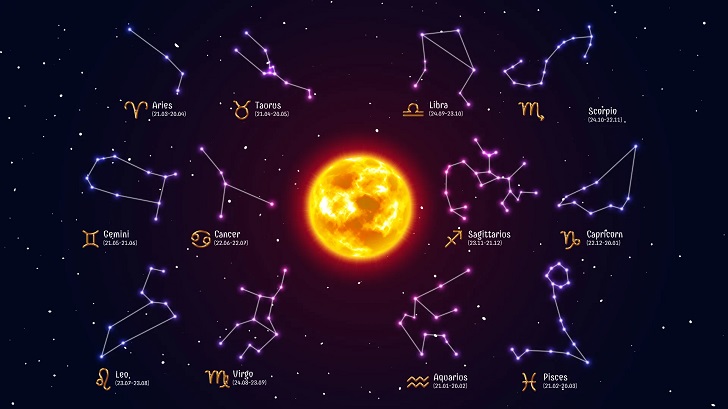
GIGI/ Rappler | Astrology is an art form that uses the placement of the planets and luminaries to give insight into aspects of one’s psychology
One of the main reasons why zodiac signs are likely wrong is the lack of scientific evidence to support them. There have been numerous studies conducted on astrology and zodiac signs. Still, no concrete evidence supports the idea that our birth date determines our personality or future. Astrology relies heavily on subjective, anecdotal evidence, which can easily be influenced by bias and personal beliefs.
For example, many believe their zodiac sign accurately describes their personality traits, but these traits are often vague and could apply to many people regardless of their sign. Additionally, the placement of stars and planets at birth has little to do with our personality or future outcomes.
Inaccurate Prediction of Future Events
Astrology claims that the position of stars and planets at birth can influence our future, but no scientific evidence supports this claim. In reality, our future is determined by various factors, such as our actions, decisions, and external circumstances, outside the influence of the zodiac signs.
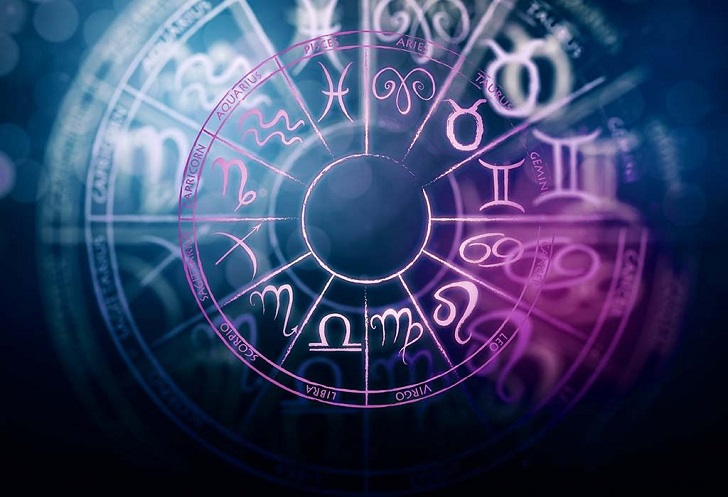
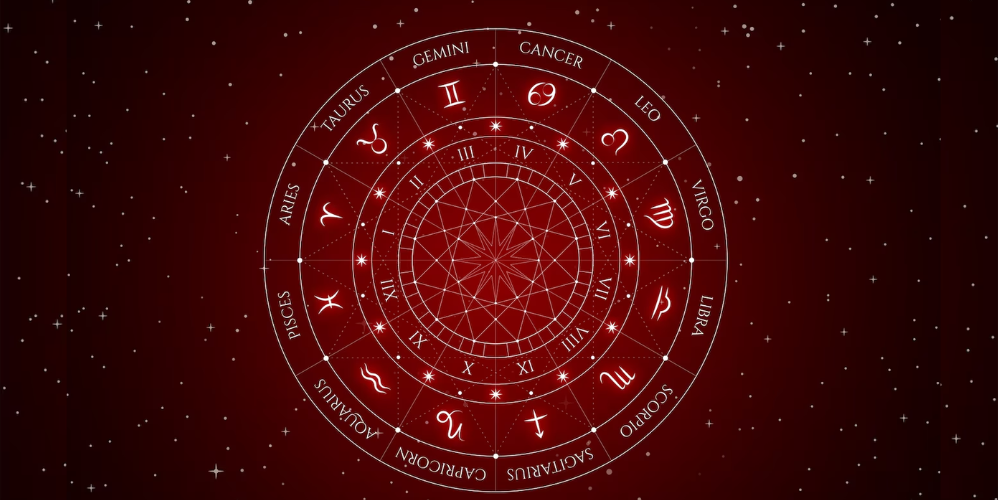
FREEPIK/ IPL | The 12 astrological signs of the zodiac are each considered to occupy 1/12 (or 30°) of its great circle
For example, many people turn to astrology to predict their love life or career prospects, but these predictions are often inaccurate and can lead to disappointment or false hope. It’s important to remember that the stars do not predetermine our future but instead are shaped by our actions and decisions.
Confirmation Bias
Another reason why zodiac signs are likely wrong is due to the phenomenon of confirmation bias. Confirmation bias refers to our tendency to seek information that confirms our beliefs and ignore information that contradicts them. This can be especially true regarding astrology, as people may selectively remember instances where their zodiac sign accurately predicted something and ignore instances where it did not.
For example, if someone reads their horoscope and it predicts that they will have a great day, they may attribute any positive events to the accuracy of the horoscope. However, if they have a bad day, they may dismiss the horoscope as inaccurate or attribute the lousy day to external factors. This selective memory can reinforce the belief in astrology, even when no scientific evidence supports it.
Cultural and Historical Context
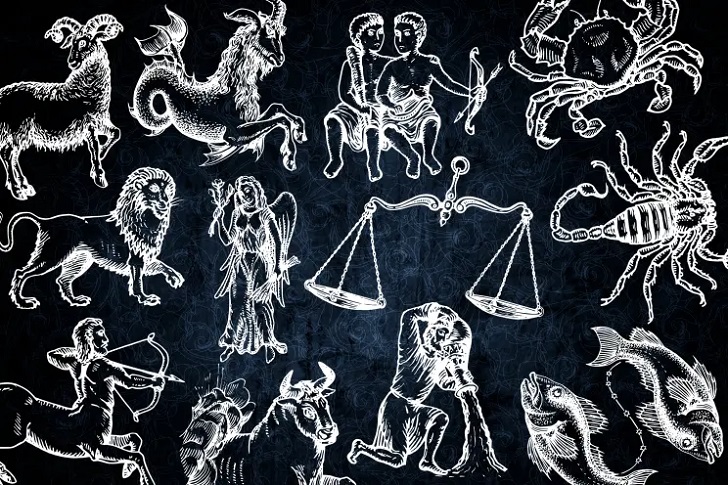
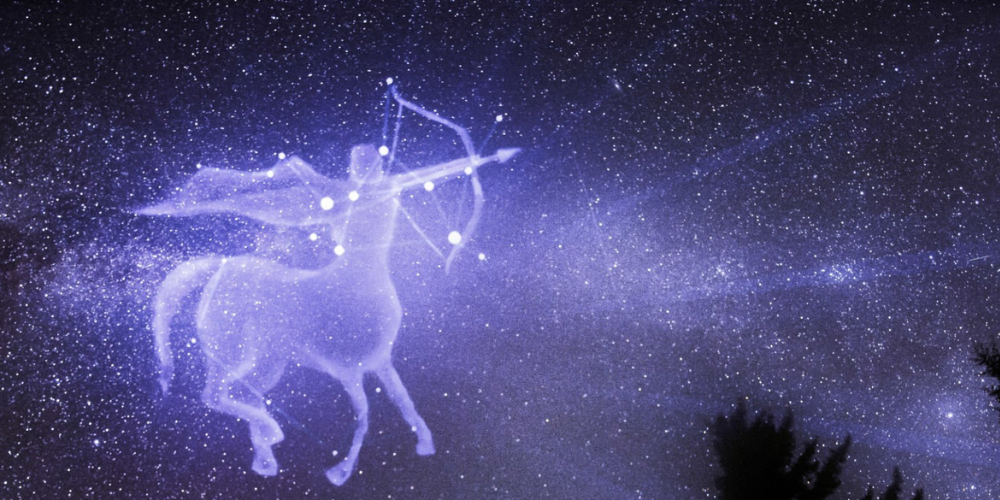
NY Post photo composite/ Getty Images | Sagittarius is the 9th astrological sign in the zodiac, and it is associated with the constellation Sagittarius
It’s important to consider the cultural and historical context in which astrology and zodiac signs developed. Many ancient cultures used astrology to understand and interpret the world around them. However, these beliefs were often tied to religious or spiritual practices and were not based on scientific evidence.
Additionally, the constellations and zodiac signs used in astrology have changed over time due to shifts in the position of the stars and planets. This means that the zodiac signs we know today may not accurately reflect the position of the stars and planets at the time of our birth.