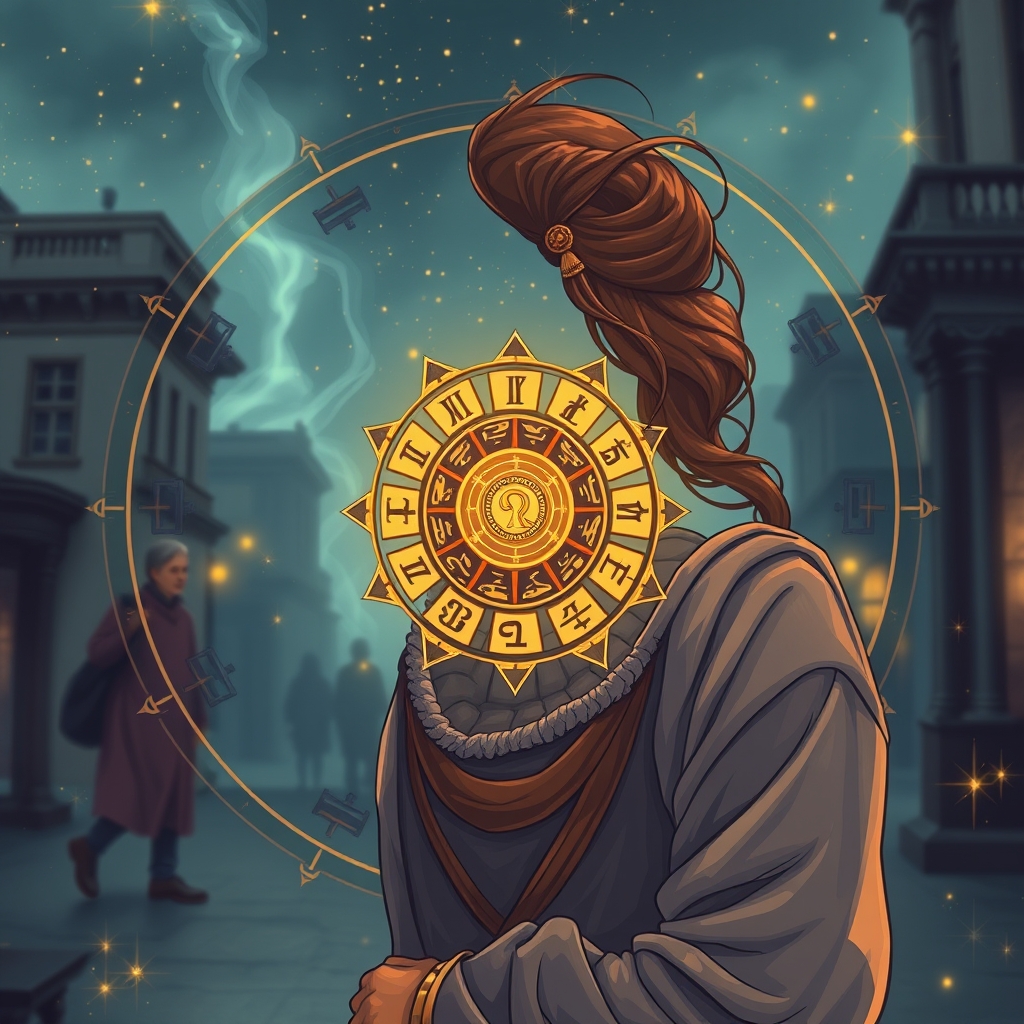

Understanding the Components of Your Birth Chart
Diving into astrology can feel overwhelming, but breaking down your birth chart into its basic elements reveals a lot about yourself and your potential paths. Your chart comprises the twelve houses, each representing different life areas. The first house is about identity, capturing who you are at your core. Consult your astrological sign to know which planet rules your first house—it’s typically aligned with your Ascendant or rising sign. Other houses explore career, relationships, and more. Focusing on the placement of the Sun, Moon, and Ascendant can provide immediate insights as they are primary indicators of personality and emotional tendencies. Use resources like online calculators or astrology apps to pull your chart and notice the interplay between signs and planets. Remember, it's a guide, not a set fate; see how it outlines challenges and pushes you towards growth.

Applying Astrology for Smarter Relationship Decisions
Astrology offers a unique lens through which you can view and improve interpersonal relationships. Start by comparing the Sun and Moon signs between you and a partner to highlight emotional and fundamental compatibilities. While two people may clash if their signs are typically incompatible (e.g., Aries and Cancer), understanding these zodiac dynamics helps anticipate and navigate conflicts fruitfully. Use the compatibility insights as communication tools instead of predictive doom. Composite charts, which merge both partners’ charts into one, provide richer insights into the partnership dynamics by considering midpoints between key planetary placements. For actionables, note peak times to communicate once reviewing both charts; seeing Venus or Mercury in a favorable aspect denotes better days for conversations. Remember, astrology can enrich your connection by providing structure to understand emotional responses but remains a tool amongst many for healthy relationship decisions.