Compatibility synastry involves analyzing the alignment of astrological charts to determine the potential harmony between two individuals. This approach helps uncover relationship strengths, challenges, and the potential for lasting love. By examining the positions and angles of planets at birth, compatibility synastry offers insights into how partners connect on emotional, mental, and physical levels. It is a valuable tool for those seeking deeper insights into their romantic relationships.
The Role of Natal Charts in Compatibility
At the core of compatibility, synastry lies the natal chart, a map that represents the positions of planets at the exact moment of birth. Each planet’s placement influences different aspects of an individual’s personality. The Sun sign, for example, governs core identity, while the Moon sign reflects emotions. When comparing two charts, astrologers evaluate how these planetary positions interact, determining whether the energies complement or challenge one another. This comparison can highlight compatibility strengths and potential areas of conflict.
Compatibility Synastry in Western Astrology
Western astrology often focuses on the signs of the Sun, Moon, and Venus when examining romantic compatibility. These signs reveal core personality traits, emotional responses, and romantic inclinations. For example, if both partners have compatible Moon signs, their emotional worlds align, fostering mutual understanding. Additionally, Venus governs how love is expressed. Compatible Venus signs often indicate harmonious romantic dynamics, as both individuals share similar relationship values.
Synastry charts also consider aspects—geometric angles between planets—which reveal how energies blend. Positive aspects like trines or sextiles indicate ease and flow, while challenging aspects like squares can create tension. However, even difficult aspects provide opportunities for growth and understanding in relationships.
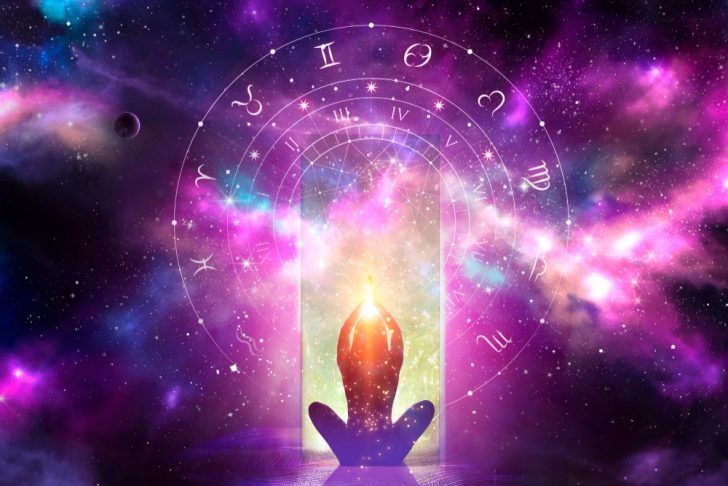
Freepik | Western astrology often examines romantic compatibility by focusing on the signs of the Sun, Moon, and Venus.
The Hindu Approach to Compatibility
In Hindu astrology, compatibility focuses on various factors beyond planetary positions. The system assigns numeric values to several categories, such as Varna, Yoni, and Nadi, representing spiritual development, sexual compatibility, and temperament. These categories are analyzed using a points system, with a total of 36 points possible. A match is considered favorable when the compatibility score exceeds 18 points.
This detailed system ensures that the couple is aligned in essential areas like personality, family goals, and emotional temperament. It’s particularly useful in arranged marriages, where families rely on astrology to predict the relationship’s long-term potential. In love marriages, the existing bond between individuals often takes precedence over traditional compatibility analysis.
Compatibility Synastry: Key Factors in Chinese Astrology
Chinese astrology takes a different approach by using the twelve animal signs of the zodiac to assess compatibility. These signs correspond to birth years and are believed to influence personality traits and life paths. Compatibility is determined by the interactions between the elements associated with each sign, such as wood, fire, earth, metal, and water. Certain signs are considered harmonious, while others may clash, depending on the elements that govern them.
For example, a person born in the Year of the Dragon may find harmony with a partner born in the Year of the Rat, as both signs are known for their ambition and loyalty. Conversely, a Dragon might clash with a Dog due to differences in temperament and values. Chinese astrology provides a broad overview of compatibility, focusing on how personalities mesh on a fundamental level.
The Importance of Communication in Synastry Analysis
While astrological charts offer valuable insights, they are not definitive predictors of relationship success. Effective communication, mutual respect, and emotional intelligence are vital components of any lasting relationship. Compatibility synastry helps couples understand potential challenges and strengths, allowing them to navigate their relationship with greater awareness.
For example, a synastry analysis might reveal that two people have opposing Mars signs, indicating potential conflicts in how they express anger. However, this knowledge empowers the couple to address these differences constructively. Understanding these dynamics helps partners build stronger, more harmonious relationships based on mutual understanding and personal growth.

Andre Furtado | Pexels | Compatibility synastry helps couples understand potential challenges and strengths, allowing them to navigate their relationship with greater awareness.
The Role of Aspects in Compatibility Synastry
In synastry charts, aspects between planets are crucial in determining compatibility. Positive aspects like conjunctions, trines, and sextiles indicate natural compatibility. These aspects often suggest that the partners can communicate easily, share similar values, and provide emotional support for one another. For example, a trine between one partner’s Venus and the other’s Mars can indicate a harmonious romantic and physical connection, fostering mutual attraction and desire.
Challenging aspects, such as squares or oppositions, highlight areas of potential conflict. These aspects can create tension or misunderstanding, but they also offer opportunities for growth and compromise. By recognizing these challenges, couples can work together to overcome them and strengthen their relationship.