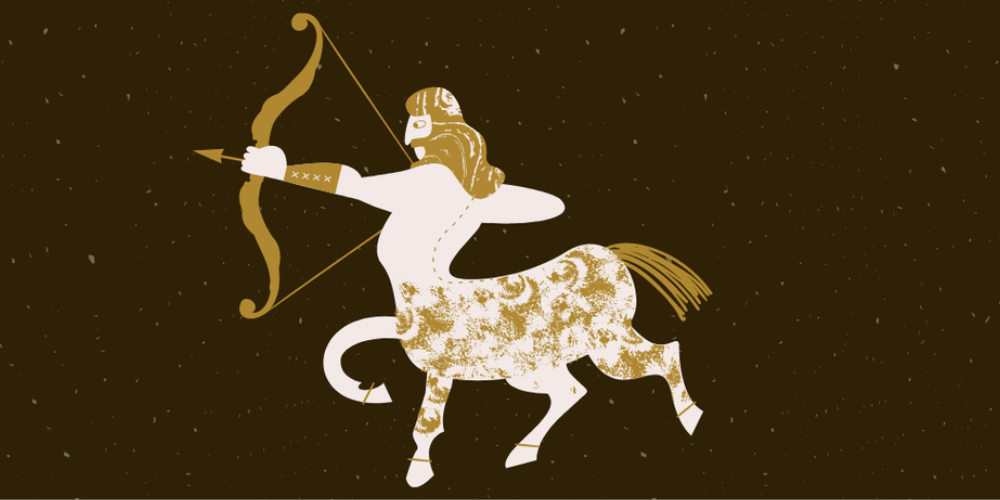
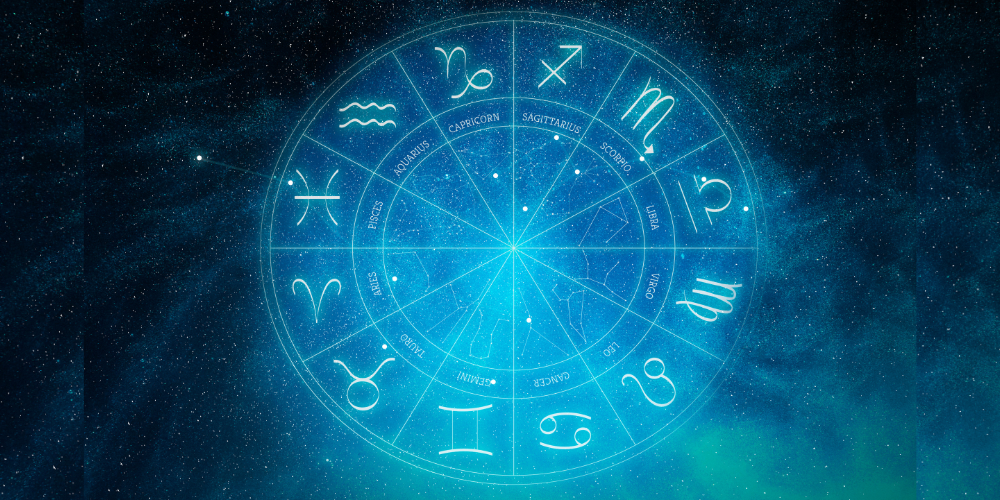
There’s something magnetic about Sagittarius. This zodiac sign, active from November 22 to December 21, carries a spark that feels instantly recognizable—bold, curious, and constantly on the move. Sagittarius blends passion, intensity, and flexibility in a way that sets them apart. Their symbol, the archer, reflects a spirit that shoots toward distant horizons, eager to uncover meaning in places many people would skip. From remote rivers to historic sites filled with forgotten stories, Sagittarius pursues knowledge with an energy that rarely slows down. The Core Nature of Sagittarius Sagittarius is the final fire sign, and its traits burn with motion and curiosity. This sign is mutable, which explains its constant pull toward change and exploration. Freedom...
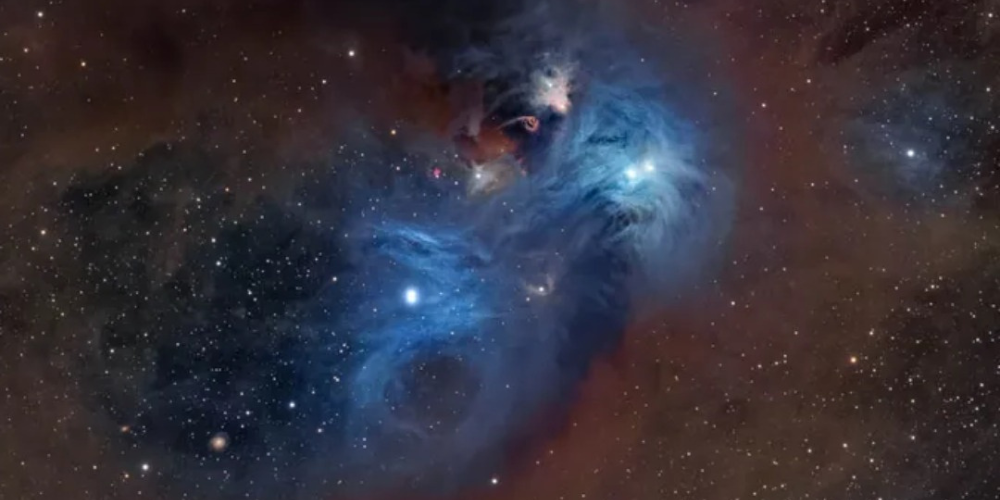
In his newest deep-space image, astrophotographer Greg Meyer turns the cosmos into a canvas. His subject — a nebula shaped like a furious baboon — has been dubbed the Rampaging Baboon Nebula. Streams of gas and dust weave through the frame, glowing in hues that give the scene a startling sense of movement. The photograph spotlights the complex beauty and creative chaos that define our galaxy’s stellar nurseries. A Nebula Like No Other The nebula lies about 500 light-years away in the constellation Corona Australis. Its shape suggests the face of a mandrill, with molecular dust sculpting the mouth and facial contours. The bright blue eyes are created by reflection nebulas that scatter starlight, adding a...
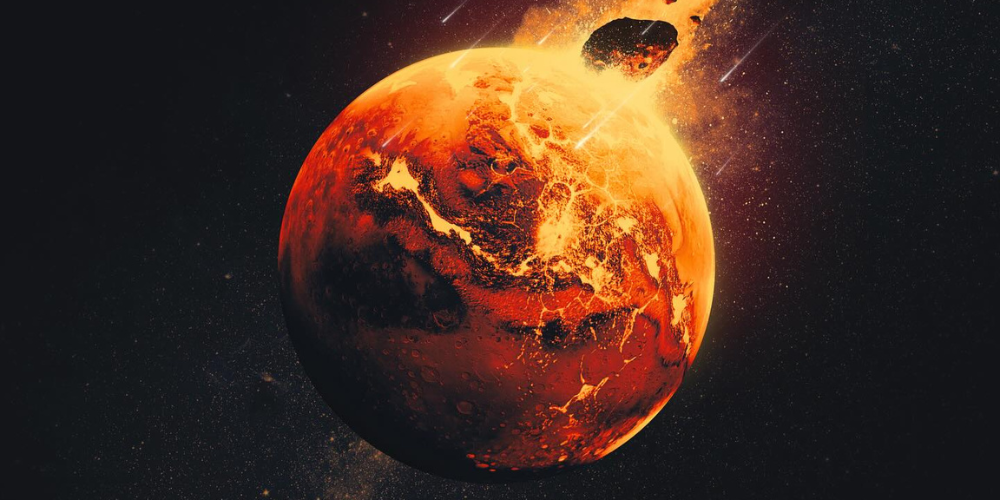
Mars has always been a planet of mystery, but fresh research suggests the Red Planet hides something far more unusual beneath its surface. Instead of a neatly layered interior, scientists have discovered that Mars’ mantle may be filled with giant chunks of rock left over from its violent early years. This finding reshapes the way experts view the inner structure of the planet and offers a rare glimpse into conditions dating back more than 4 billion years. Mars’ Messy Interior When most people think about the inside of a planet, the picture is often a series of tidy layers stacked one on top of another, like a clean geological cake. Mars, however, refuses to fit that...
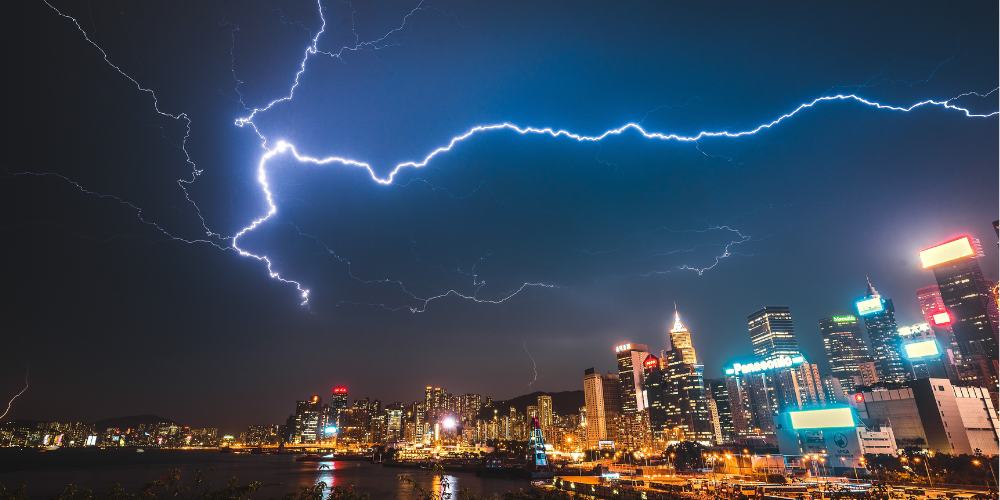
Lightning might seem like a sudden burst from the sky, but the science behind it runs deep—and recent research has added an electrifying twist. Scientists have long known that thunderstorms build electrical charges until they discharge in brilliant flashes of lightning. What’s new is the evidence pointing to an unexpected trigger: cosmic rays. Researchers at Los Alamos National Laboratory have uncovered clues that suggest lightning may actually start with particles from outer space, opening a fresh angle on this natural phenomenon. A Shift in Understanding Thunderclouds have always been the stage for lightning. Traditional understanding says it begins when opposite charges build up in a storm—positive at the top, negative at the bottom. Once the difference...
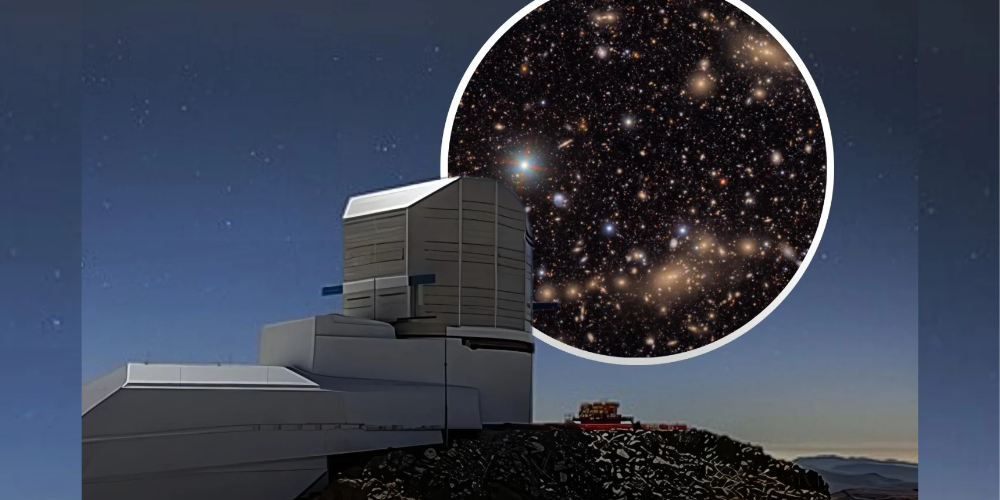
The Vera C. Rubin Observatory has officially raised the bar for what “big data” means in astronomy. After releasing its first batch of cosmic images, the observatory isn't just capturing the night sky—it's creating one of the most extensive visual datasets humanity has ever seen. Powered by the world’s largest digital camera, the images are so detailed and expansive that processing them requires not just high-speed networks, but a whole digital ecosystem: seven international data brokers, three massive data centers, and a uniquely named management system called the Data Butler. The Scale of Rubin’s Cosmic Images What makes Rubin Observatory's contribution truly staggering is the sheer volume and precision of the data it collects. Once it...
In a groundbreaking observation, astronomers have captured an extraordinary moment in the cosmos—a high-speed, high-stakes confrontation between two galaxies over 11 billion light-years away. This isn’t just any merger. It’s a rare, aggressive event where one galaxy is striking the other with intense quasar radiation, dramatically changing its ability to form new stars. This unprecedented sighting is now offering a deeper look into how galaxies interact, evolve, and sometimes collide with devastating consequences. The "Cosmic Joust"—When Galaxies Collide Researchers used the combined power of ALMA and the Very Large Telescope (VLT) in Chile to observe two galaxies locked in what they describe as a “cosmic joust.” The term goes beyond metaphor—it reflects the actual movement. These...
How Technology and Youth Are Shaping Astrology’s Growth
Astrology has seen a significant resurgence, attracting millions of users worldwide. Platforms like Co-Star and AstroTalk have made astrology easily accessible to a global audience. Co-Star, based in the U.S., boasts over 30 million users, while AstroTalk connects 40,000 astrologers with 80 million customers across India. Allied Market Research predicts that spending on astrology-related services will increase from $12.8 billion in 2021 to $22.8 billion by 2031.
A Harris Poll survey in 2024 revealed that 70% of Americans either “somewhat” or “strongly” believe in astrology. This growing interest stems from various factors, including the decline of organized religion and the pressures of modern life. During the COVID-19 pandemic, searches for “astrology” on Google reached a ten-year high in December 2020, reflecting the comfort many sought in uncertain times.
Why Astrology Appeals to Younger Generations

Pexels | Pavel Danilyuk | Young generation finds connection with astrology.
Young people, particularly Gen Z, are embracing astrology at an unprecedented rate. More than 60% of InstaAstro users fall into this age group, often seeking relationship advice. In China, similar platforms like Cece attract young users for guidance on personal matters.
Astrology’s appeal among younger generations lies in its ability to offer reassurance and clarity. In an age dominated by technology and fast-paced lifestyles, astrology provides a sense of connection and meaning.
How Technology Expands Astrology’s Reach
From Newspapers to Digital Platforms
Astrology has evolved significantly, thanks to technology. In the early 20th century, newspapers popularized horoscopes. Today, the internet and smartphones have brought astrology to a wider audience. Apps and websites now offer personalized predictions at the touch of a button.
Artificial Intelligence Enhances Accessibility
AI is revolutionizing the way astrology works. Digital platforms like KundliGPT use AI tools to generate personalized readings based on user-provided data, such as birth time and location. Co-Star combines NASA’s space data with insights from human astrologers to deliver tailored advice. These advancements eliminate the need for in-person consultations, making astrology more accessible than ever.
Alexander Boxer, a data scientist and author of “A Scheme of Heaven,” notes that astrology may be one of humanity’s earliest data-analysis practices. The meticulous observation of planetary movements to create horoscopes resembles modern data analysis techniques.
The Role of AI in Modern Astrology
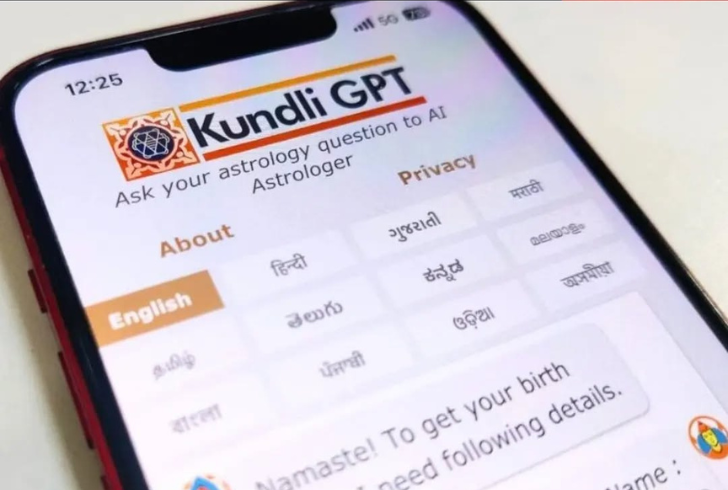
Instagram | kalingatv24x7 | Kundli GPT blends AI with astrology for deeper insights.
AI and astrology may seem like an unusual combination, but their partnership is rooted in history. Astrology has always relied on interpreting large datasets, and AI enhances this process by making predictions faster and more accurate. KundliGPT, for example, uses a large-language model trained on planetary positions and astrological texts to provide insightful readings.
Co-Star, another popular app, utilizes AI to merge scientific data with traditional astrological practices. By integrating information from NASA with expertise from astrologers, it offers users a unique blend of modern technology and ancient wisdom.
Astrology as a Source of Comfort
The rising popularity of astrology reflects the growing need for reassurance in challenging times. A survey found that 61% of Americans turn to astrology for comfort during uncertainty. This trend gained momentum during the pandemic, as people sought guidance and a sense of control.
Astrology’s Digital Transformation
Technology has played a crucial role in making astrology accessible to a global audience. Mobile apps, AI tools, and online platforms allow users to explore their astrological profiles effortlessly. These advancements ensure that astrology remains relevant in the digital age while catering to the needs of younger generations.
Astrology continues to captivate audiences by blending ancient practices with modern technology. With AI-driven tools and digital platforms, it remains a source of guidance and connection for millions.