Understanding the Zodiac Wheel
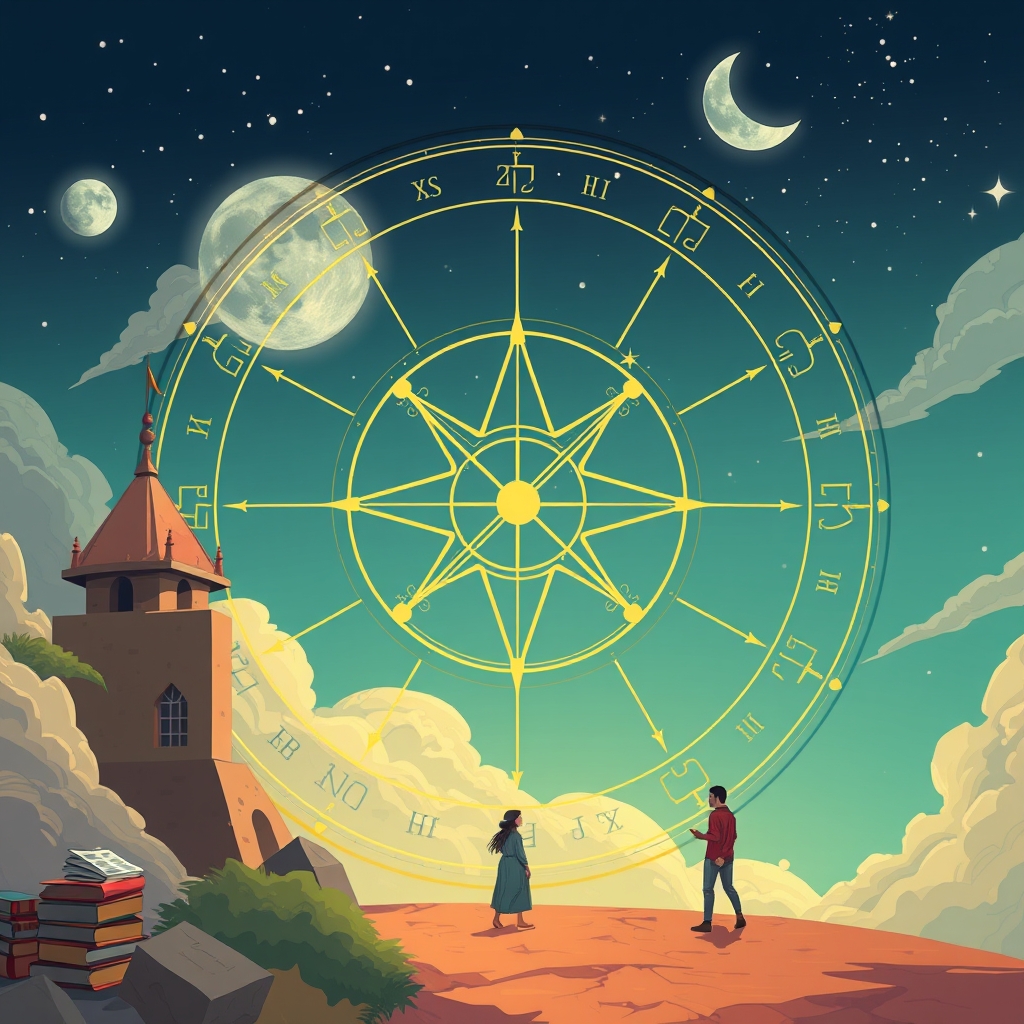
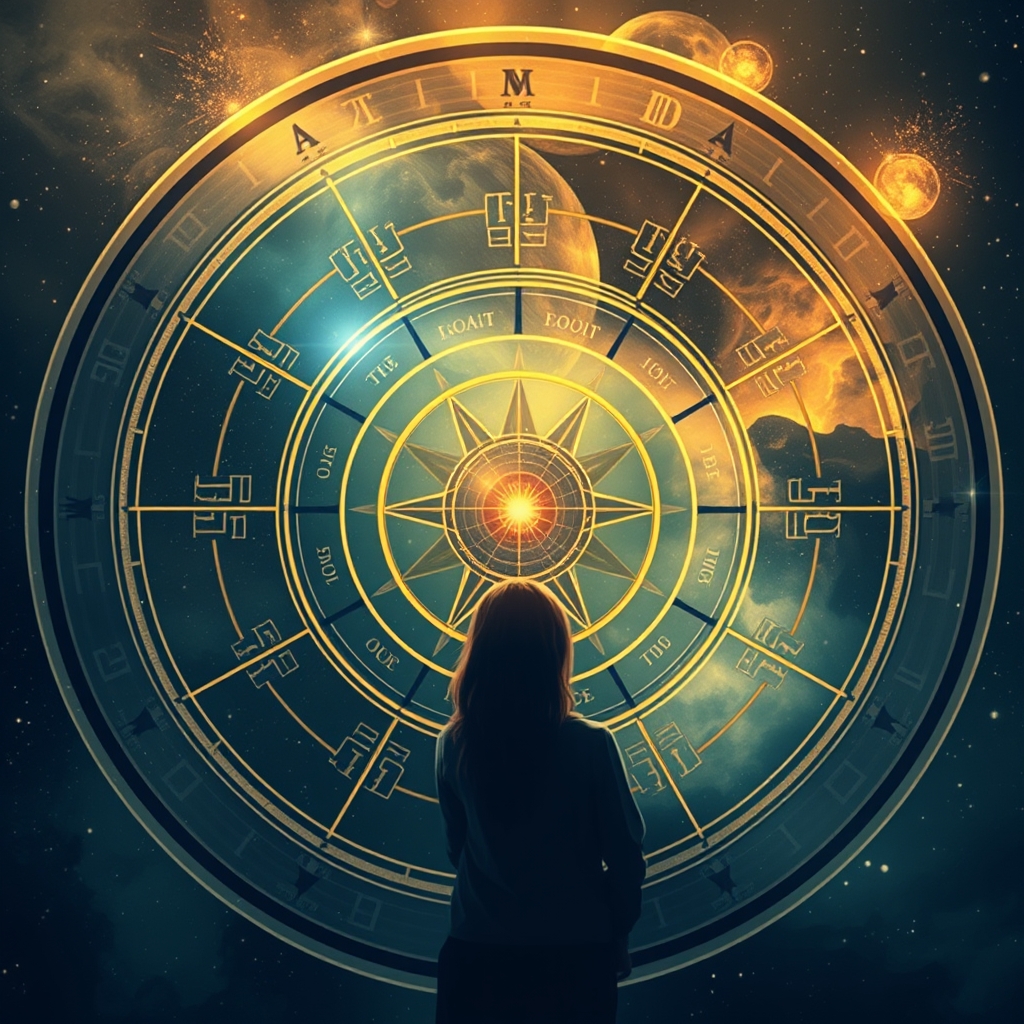
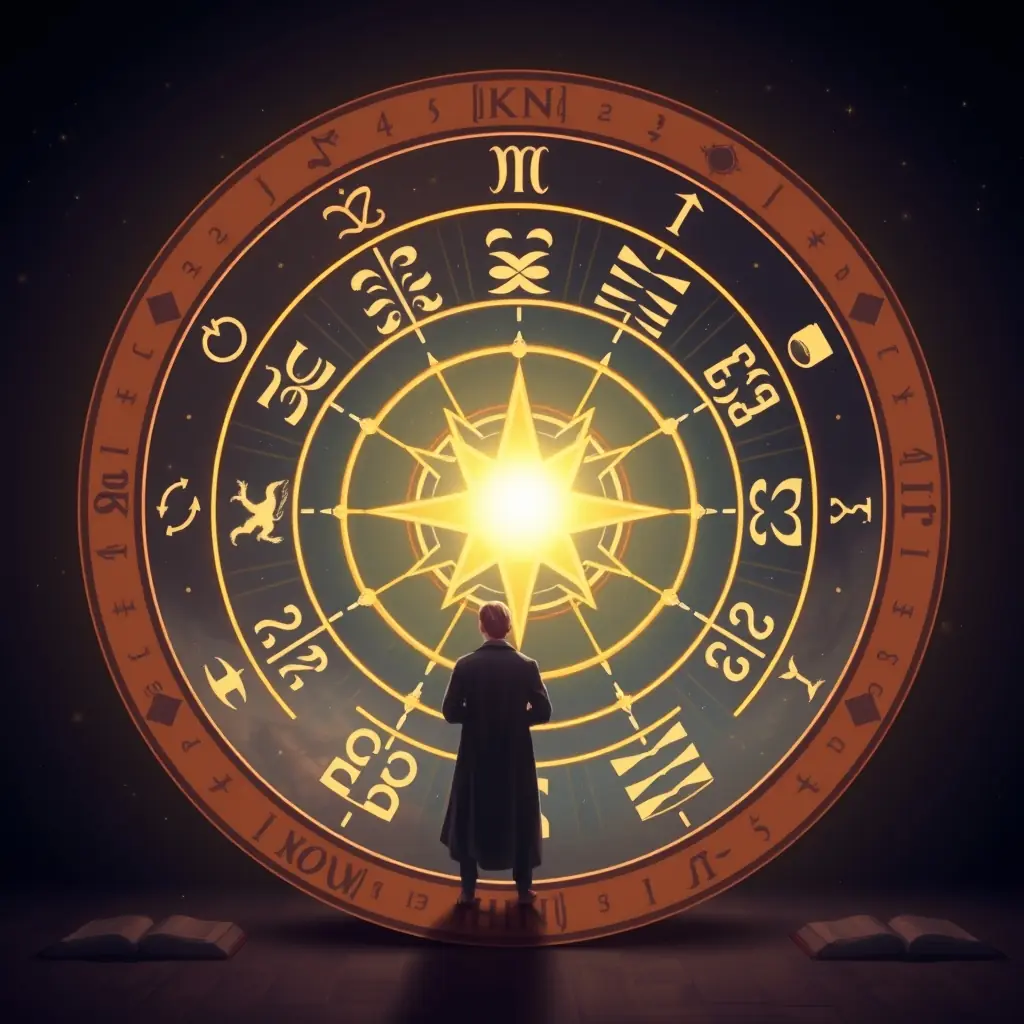
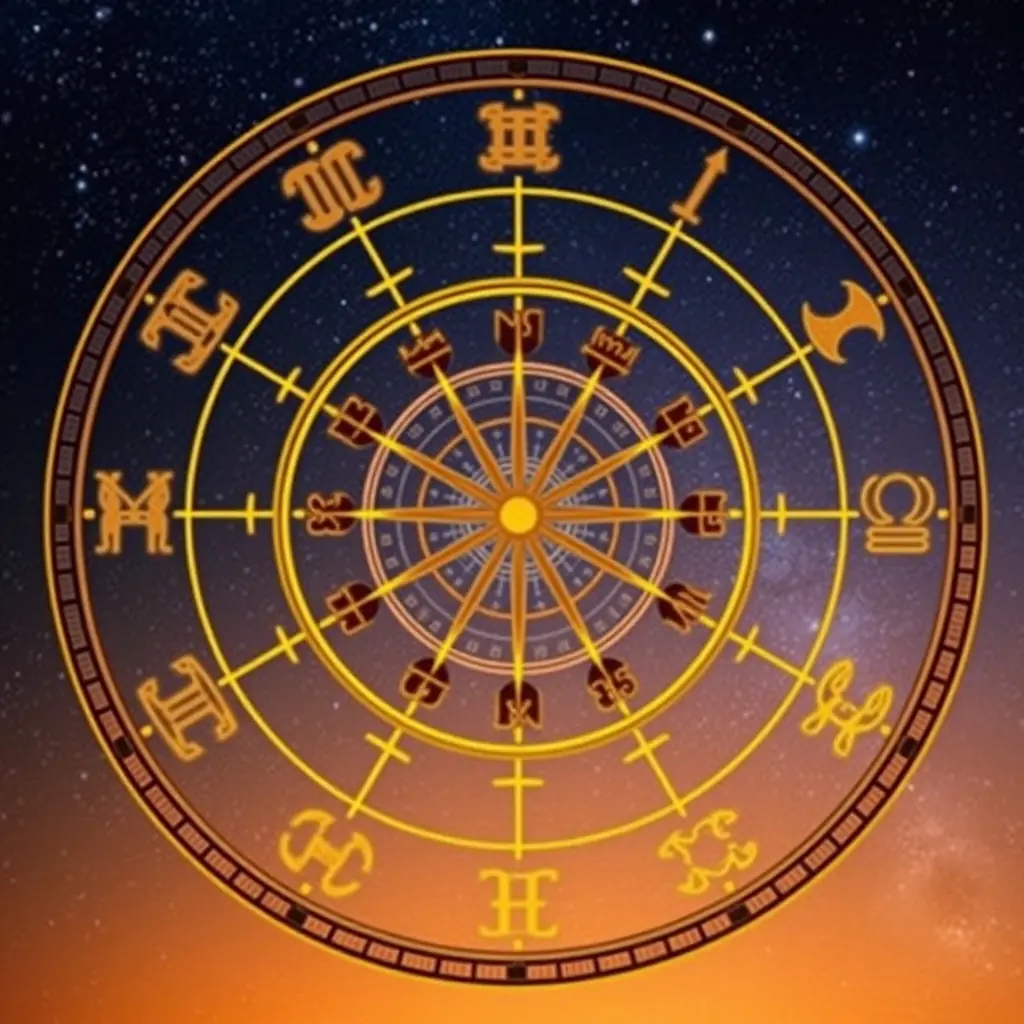
The zodiac wheel is a foundational component in astrology, representing the sky from our vantage point on Earth. It's divided into twelve sections, each corresponding to one of the twelve astrological signs, from Aries to Pisces. Each sign occupies 30 degrees of the 360-degree circle. These signs are segments that astrologers use to interpret various celestial events and personal traits. The wheel is also separated into four elements—fire, earth, air, and water—each possessing distinct qualities that impact the characteristics associated with each sign. Moreover, its structure is intrinsic to understanding the interplay of planets and houses in one's natal chart. When you're beginning to read a natal chart, recognizing how each planet is influenced by the sign it's in is crucial for accurate interpretation. Remember, while the zodiac provides the sign, the houses provide the area of life affected, and each planet brings its own energy.
Decoding Planets and Their Influences
Each planet in astrology represents different facets of our life and psyche. For instance, the sun symbolizes our core self and personal identity, while the moon reflects our emotional nature and unconscious reactions. Mercury governs communication and intellectual processes. Understanding each planet’s role provides deeper insight into a person’s personality and life experiences, as depicted in their natal chart. The positioning of these planets in various signs and houses during your birth determines how their energies manifest in your life. Saturn, known for its structure and discipline, might sit in Capricorn, hinting at challenges and lessons in one's career or public life. Meanwhile, particular attention is given to outer planets like Uranus, Neptune, and Pluto, which often signify broader societal shifts and generational traits. Fully grasping these planetary influences requires observing their aspects and transits, which illustrate interactions between different celestial bodies and highlight significant life events and transformations.